

Posts by TGC Admin
Your September Advice – Autumn Edition

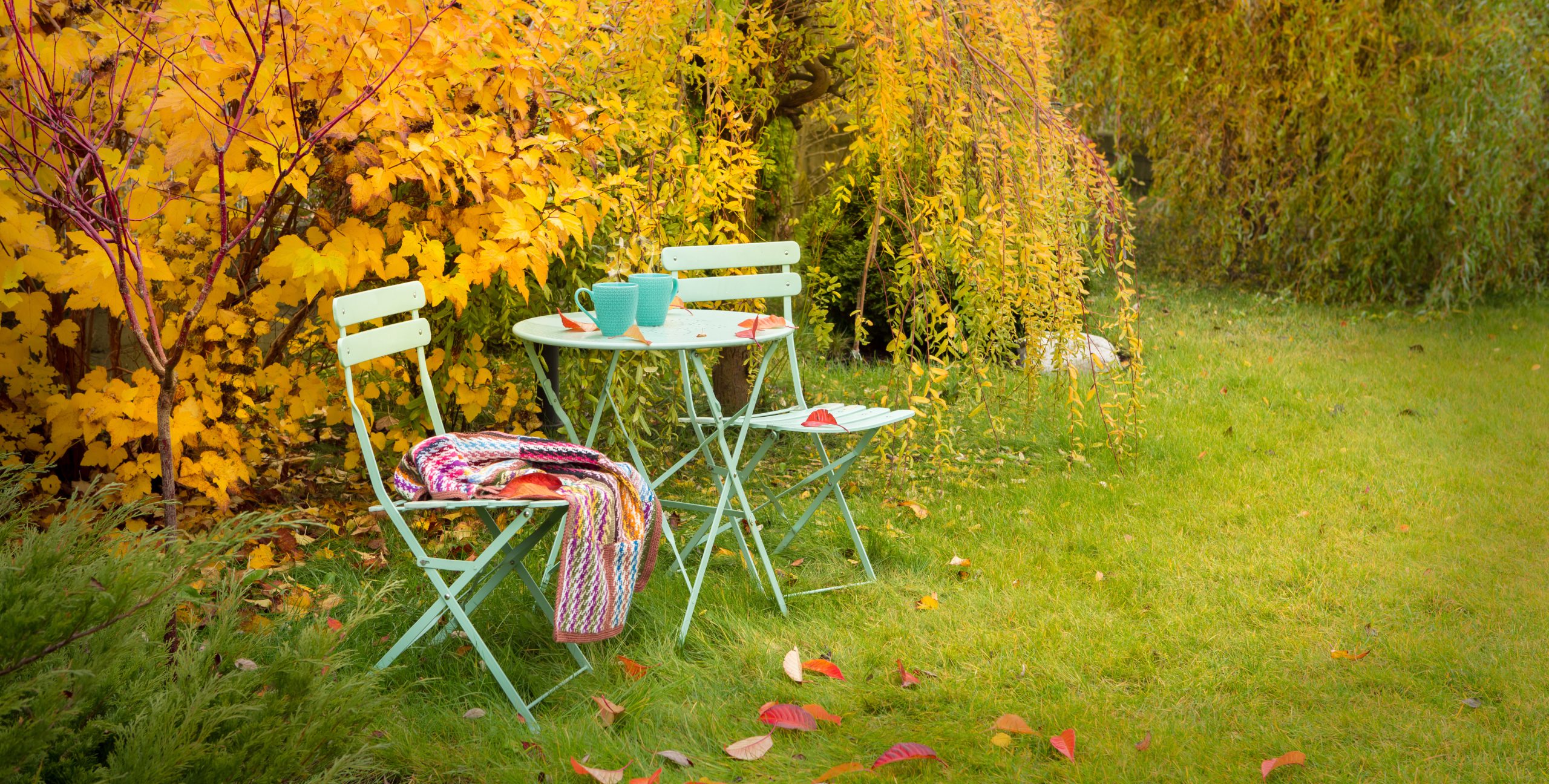
Can you feel Autumn approaching? Golden evenings filled with candles, a cosy cup of hot chocolate and a good book.
Before we get to relaxing, let’s sort out the garden.
September Gardening Jobs
- Divide herbaceous perennials
- Pick autumn raspberries
- Collect and sow seed from perennials and hardy annuals
- Dig up remaining potatoes before slug damage spoils them
- Net ponds before leaf fall gets underway
- Keep up with watering of new plants, using rain or grey water if possible
- Start to reduce the frequency of houseplant watering
- Clean out cold frames and greenhouses so that they are ready for use in autumn
- Cover leafy vegetable crops with bird-proof netting
- Plant spring-flowering bulbs
Plants & Flowers

Be sure to have your spring-flowering bulbs ordered or better yet, planted so that you can expect a beautiful bloom come springtime.
Continue to deadhead, water and feed hanging baskets to take them right up into mid autumn!
Deadhead plants such as roses, delphiniums, dahlias and penstemons to keep their colour for longer into the month.
Bring tender plants like fuchsias, gazanias, lantanas and abutilons before frost causes damage.
Fruits & Vegetables
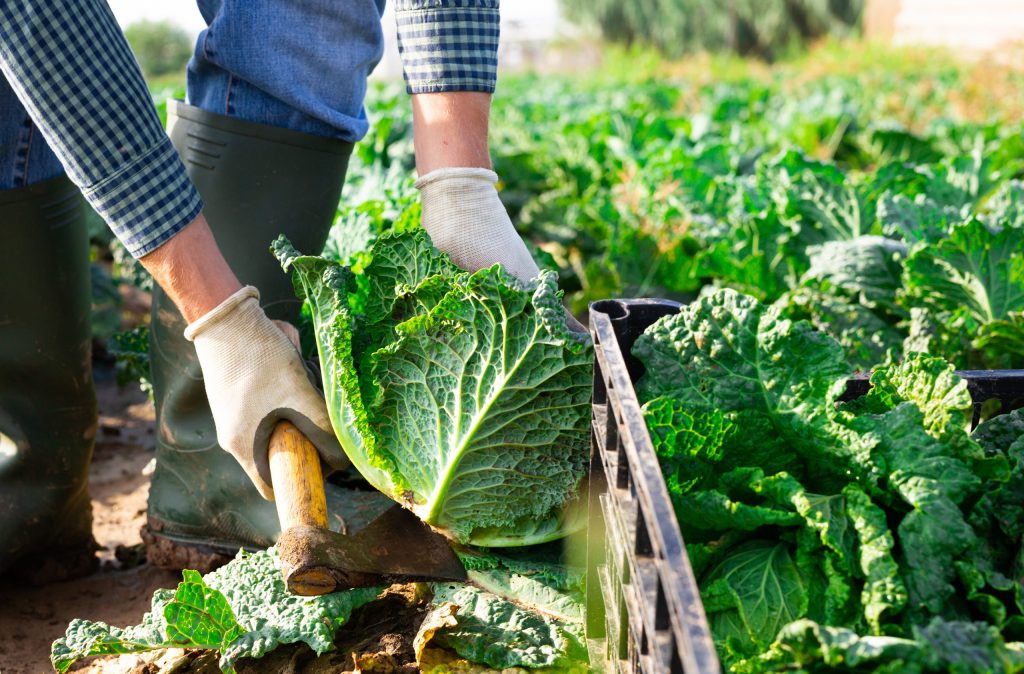
Vegetables to plant in September
- Cabbages, salads, peas and beans
- Garlic
- Turnips
- Spring onions
- Shallots
Fruit to plant in September:
Strawberries – The planting season tends to run from June to September, but August – September is the best time to plant this delicious red fruit to give it enough time to develop a good root system before winter arrives.
Lawn Care

1. Scarify
Scarifying simply means raking up dead grass and moss to reduce layers of thatch. this is so that the thatch will not prevent water and fertiliser form getting through to the roots and soil
2. Trim back lawn and bed edges
During the summer of warmth and sunshine, your lawn edges may have gotten a little bit overgrown, this makes it the perfect time of year to trim back those lawn edges.
3. Aerate your lawn
The process of aerating is spiking the lawn to allow more air (and nutrients including water) to get to the grass roots. Aeration will also help your lawn survive through more extreme conditions such as waterlogging or drought.
4. Fork compacted areas
Due to heavy traffic in the summer, the lawn will need forking to break up the soil and improve the drainage when the rain starts to pour. Ensure that you push the fork four to six inches to the ground to get the proper aeration and drainage.
5. Apply Autumn Weed & Feed product
Once your lawn is treated and in pristine condition, it’s important to get some lawn feed down to ensure that the roots are still growing strong throughout the winter.
Pests & Disease
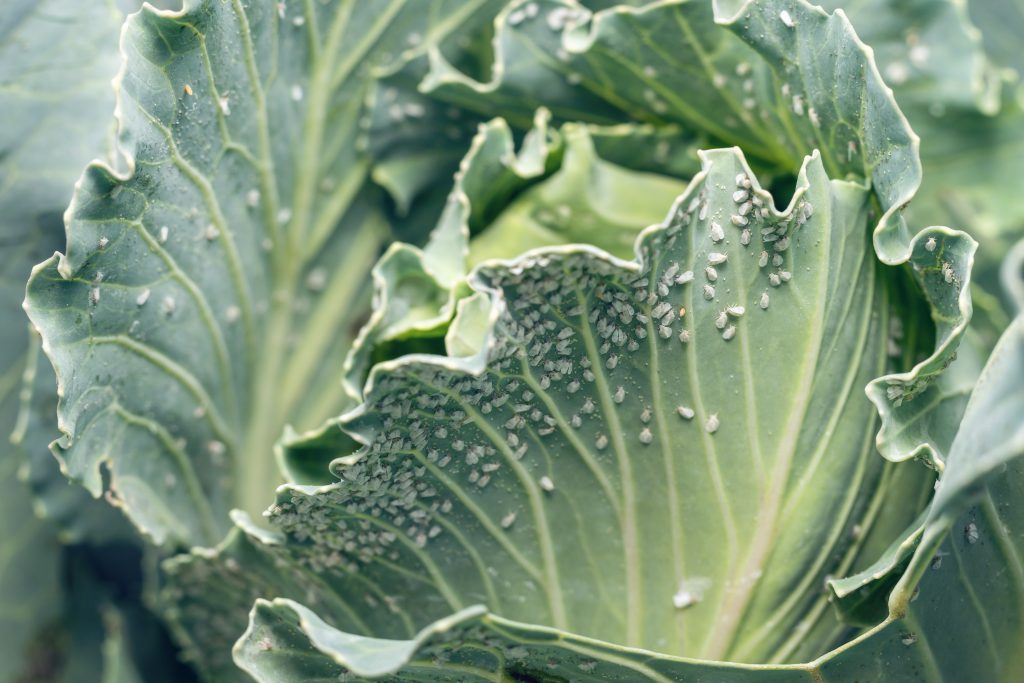
Warm and damp weather is the perfect combination for pests to thrive. Clearing out debris from containers and disposing of old compost (which can harbour soil-borne pests like vine weevil) will go a long way!
Pests to watch out for this Autumn:
- Cabbage Aphids
- Slugs
- Vine weevil
- Brassica whitefly
- Gooseberry sawfly
Your August Garden – Top Tips & Advice
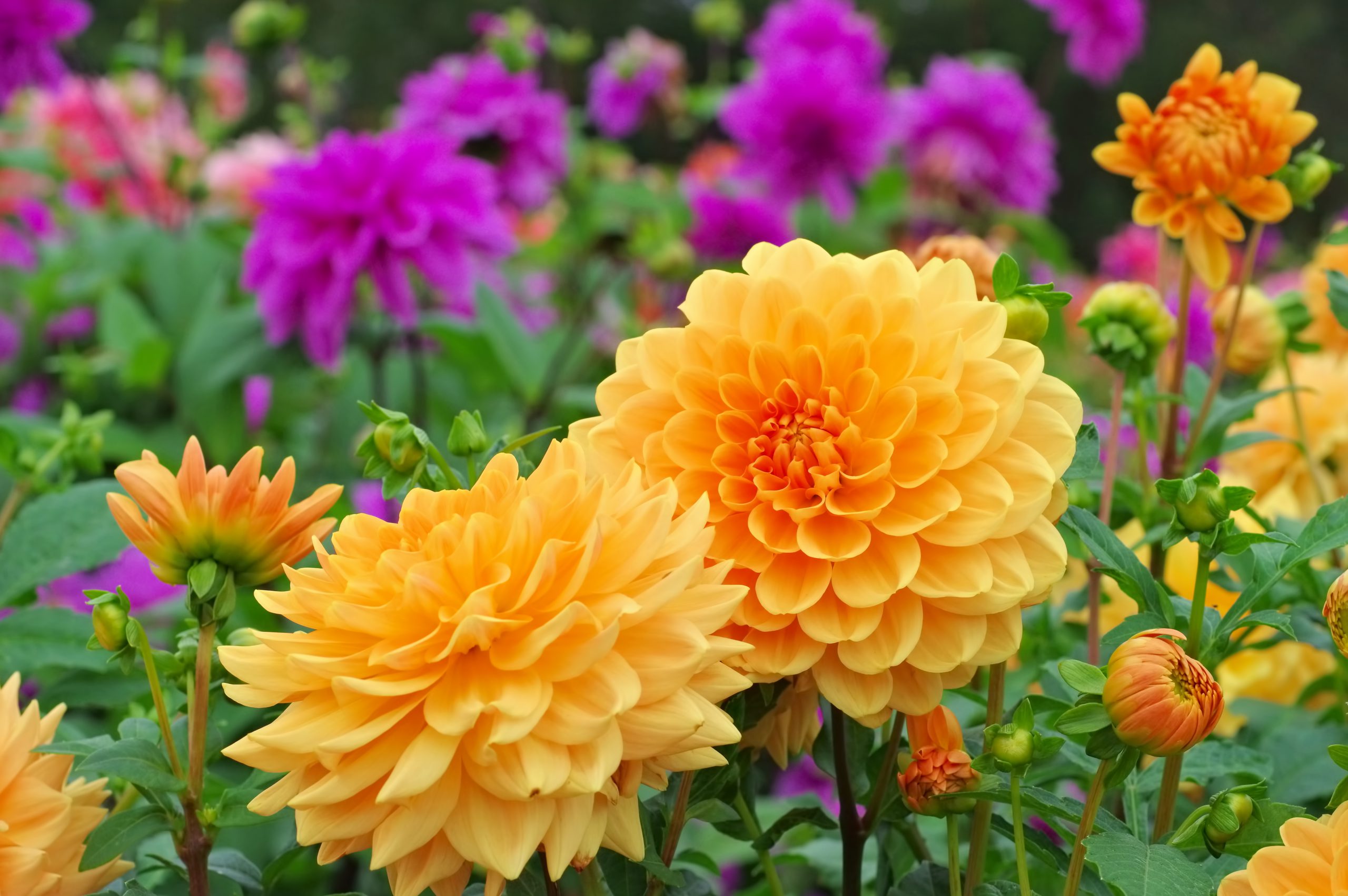
The month of BBQ’s, Sunshine and enjoying your lovely green garden.
August Gardening Jobs
- Prune Wisteria
- Don’t delay summer pruning fruits trained as restricted forms
- Deadhead flowering plants regularly
- Water Containers and new plants, preferably with grey recycled water or stored rainwater
- Collect seed from garden plants
- Harvest sweetcorn and other vegetables as they become ready
- Continue cutting out old fruited canes on raspberries
- Lift and pot up rooted strawberry runners
- Keep ponds and water features topped up
- Feed the soil with green manures
Plants & Flowers

Prune climbing roses after flowering has finished.
Prune summer flowering shrubs like Wisteria once the blooms have finished flowering.
Stake the stems of tall plants such as Dahlias and Lilies to prevent any damage caused by winds or heavy rain.
Tidy up any areas with spent perennial plants and fallen leaves.
Deadhead annual bedding plants and perennials to encourage them to flower in autumn.
Fruits & Vegetables
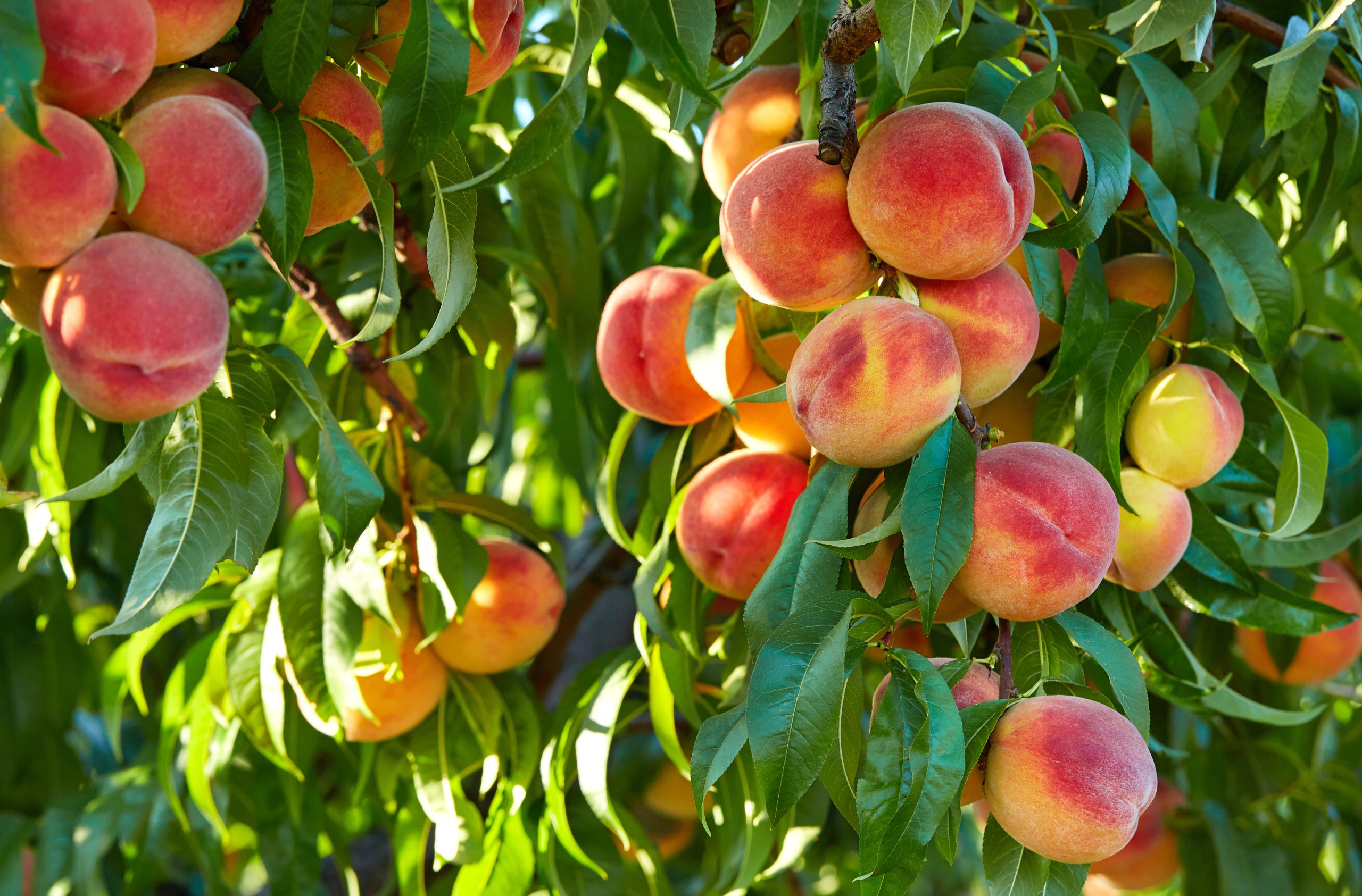
Protect ripe fruit and vegetables from birds and animals with netting.
Harvest maincrop potatoes and store in hessian sacks in a cool, dark and dry place.
Cut back herbs to encourage more growth before the first frost arrives.
Watering
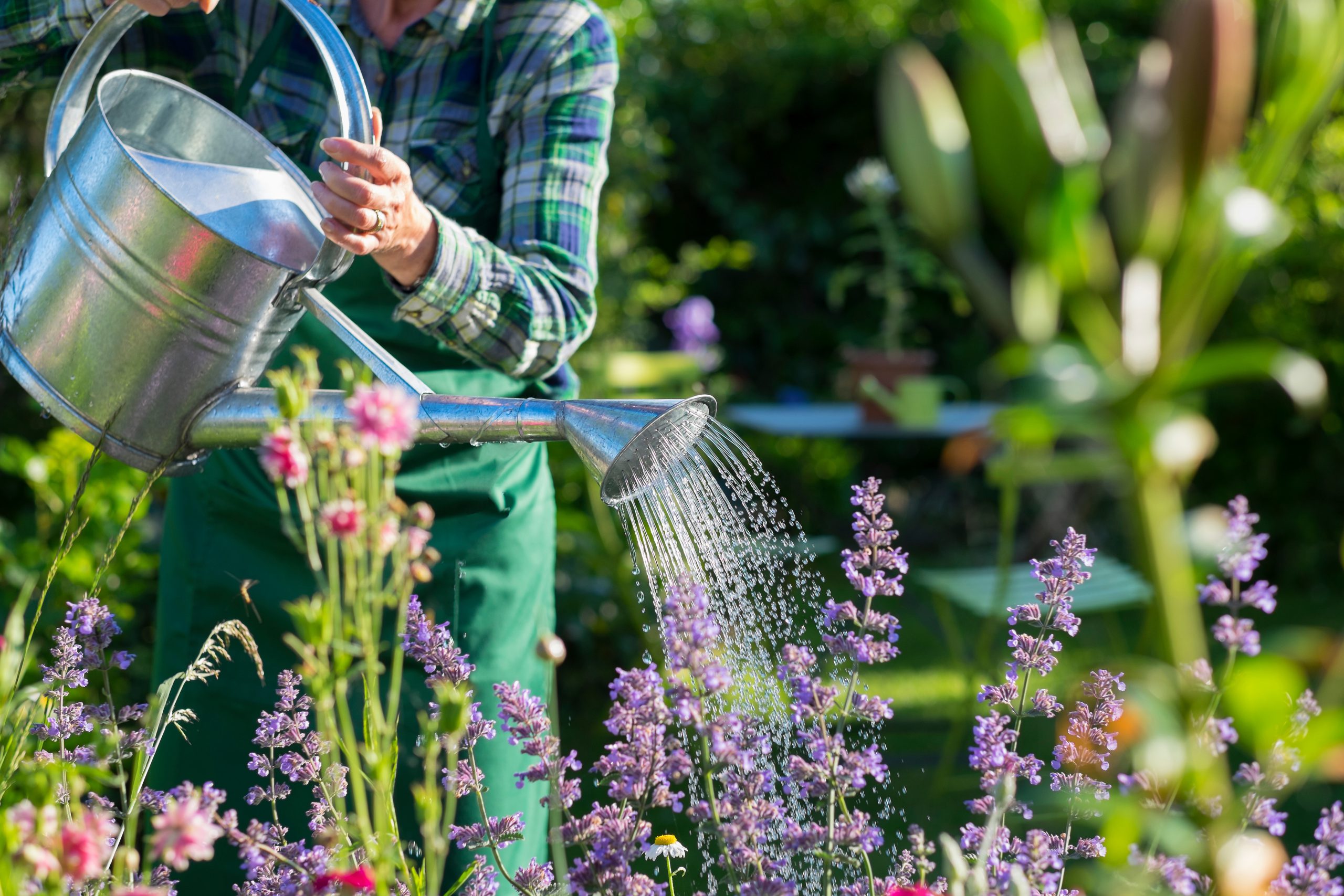
For any holiday goers, remember to organise a family member or friend to water your houseplants and garden if necessary.
Water early in the morning or late in the evening to reduce water evaporation.
Keeping your garden well weeded can also ensure the water goes to the plants that need it.
Pests & Disease
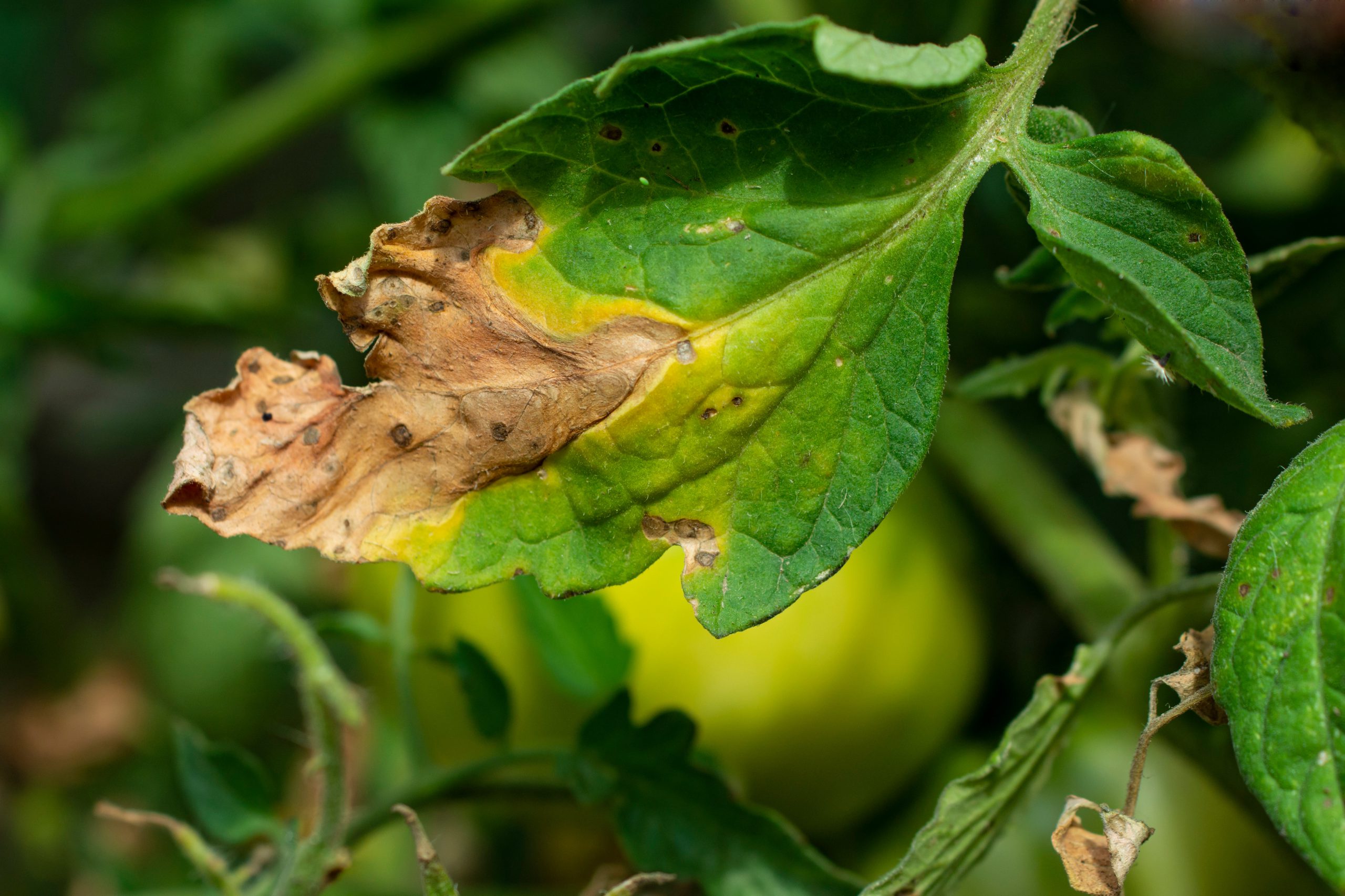
Now that the weather is consistently warm and humid, risk of blight is high. Be sure to check your tomato and potato crops regularly and remove the plants at any signs of fungal infestation. If caught early, simply remove the infected foliage and leave the tubers in the ground.
Top 10 Summer Houseplants
Did you know that certain houseplants can aid in cooling your room?
Scroll for more…
Peace Lily
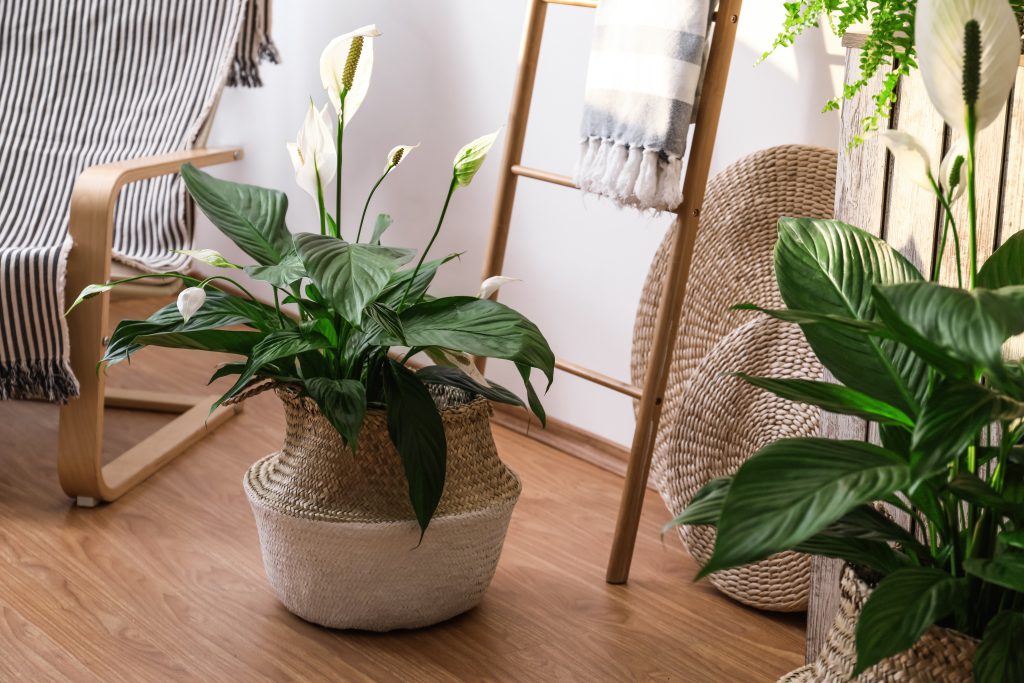
A graceful plant that pleases the eye as well as your lungs! The bigger the Peace Lily, the better the plant power. Their lovely green leaves transpire releasing a large amount of oxygen and moisture into the air. Keep your peace lily in indirect sunlight and water whenever the leaves droop.
Spider Plant
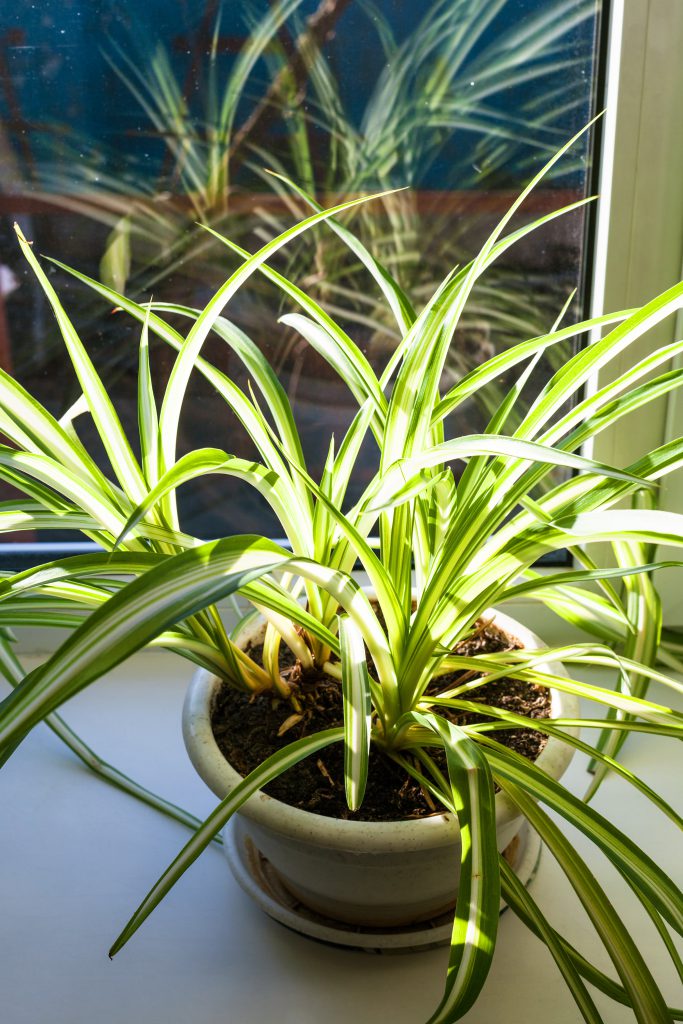
Spider Plant, also known as Chlorophytum comosum or Airplane Plant makes for an excellent low maintenance choice. This hardy houseplant is fantastic for cooling the room and even absorbing toxins such as formaldehyde and xylene from your home. Keep it in a semi-shaded spot and be sure to use a well-drained potting mix to avoid any rotting roots.
Aloe Vera

A houseplant with many uses! Its ability to cool and soothe sunburn is one reason that makes it a perfect Summer addition, but also, Aloe Vera has a high water content making it one of the top plants for cooling! As long as you keep this little plant watered during hot weather, you can enjoy its benefits all summer long.
Boston Fern
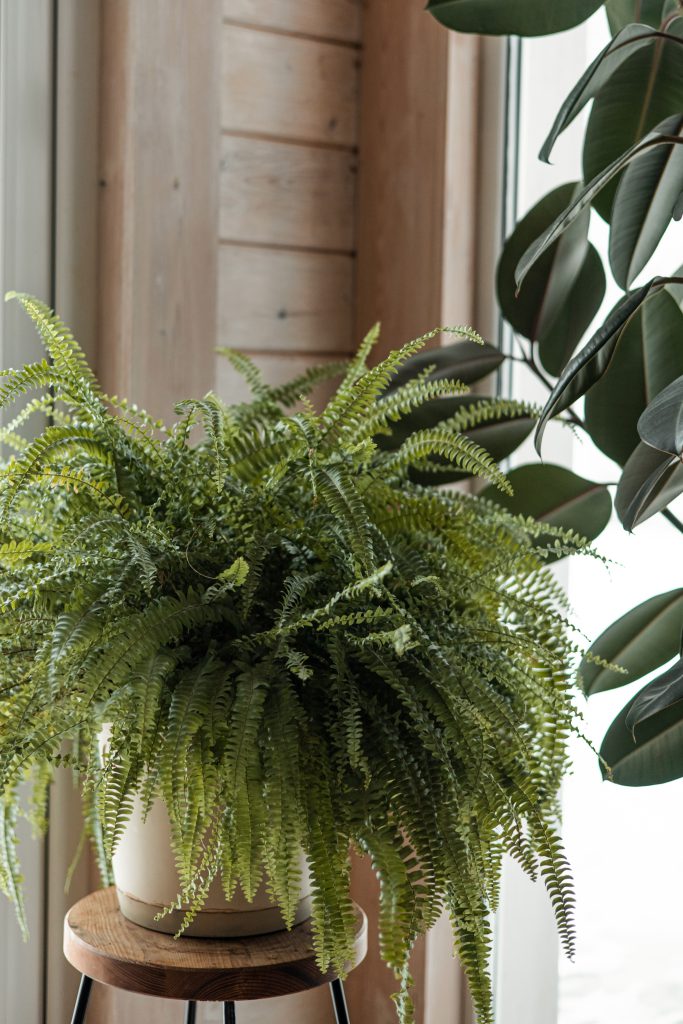
The Boston Fern! This plant is a powerhouse at removing volatile organic pollutants such as formaldehyde and Xylene (commonly found in tobacco smoke, paper towels, and printing ink) as revealed by a study conducted by NASA. They’re also amazing humidifiers.
Golden Pothos
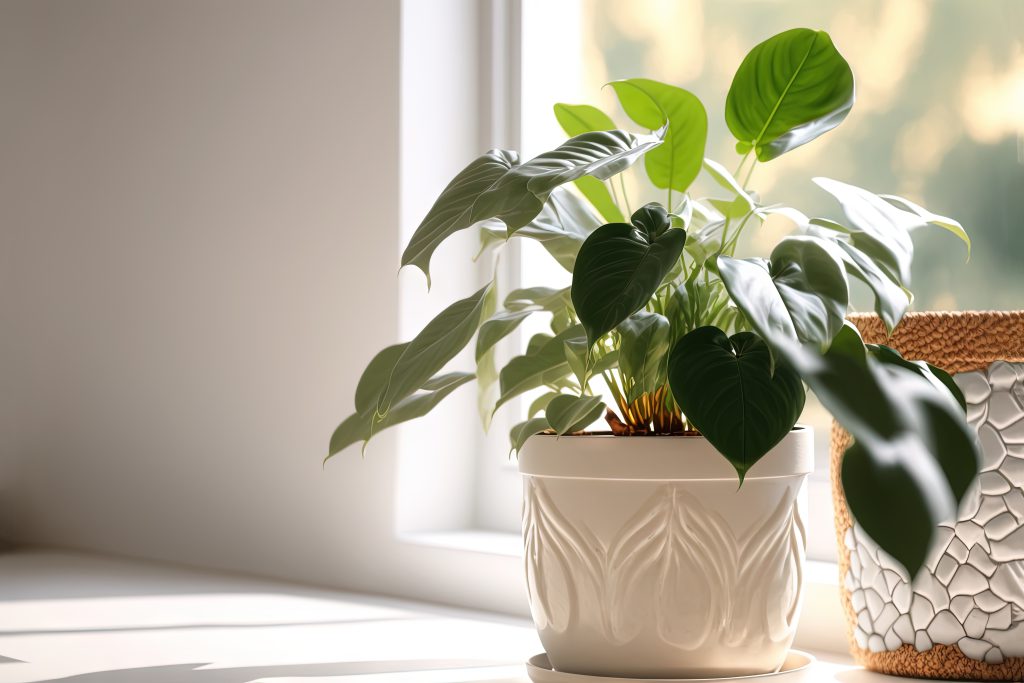
Also know as Devil’s Ivy or Epipremnum aureum, these low maintenance plants are a great choice for humidifying and cooling down the room. Like a few plants listed above, this heart-shaped beauty is great at removing toxins like benzene, carbon monoxide, formaldehyde and xylene.
Jade Plant
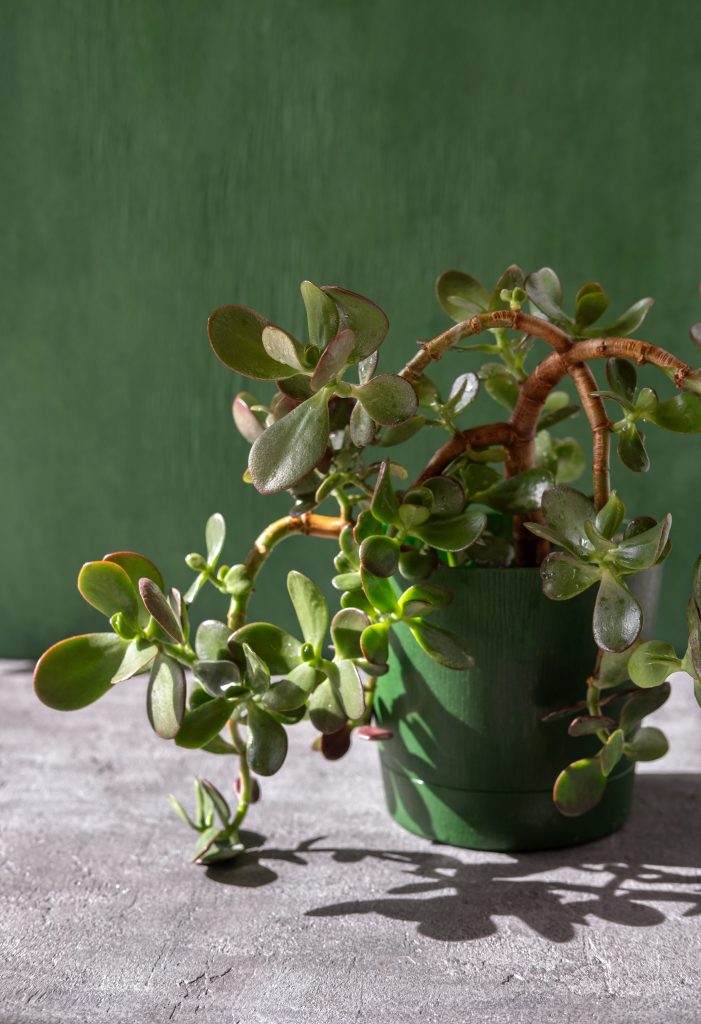
The Jade Plant is believed to bring good luck and fortune to your home. These succulents are perfect for the warmer season with their love for sunlight and need for little water.
Your July Garden: Top Tips & Advice
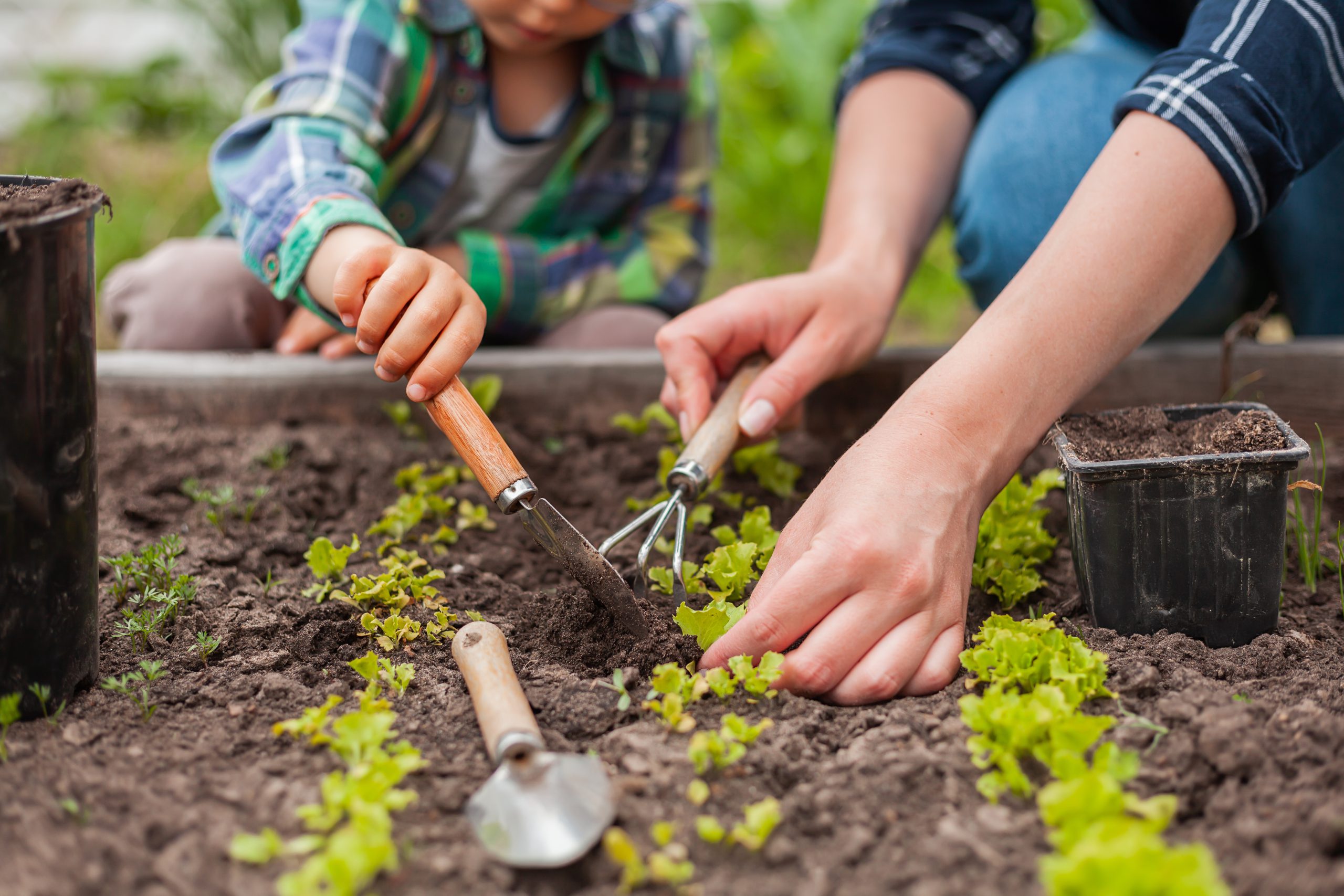
We’re officially halfway through the year! The sun is shining and the BBQs are out. Lets get the garden ready for some summer fun…
July Gardening Jobs
- Deadhead bedding plants and repeat-flowering perennials to ensure continuous flowering
- Ensure care for houseplants while on holiday
- Water tubs and new plant is dry, but be water-wise
- Check clematis for signs of clematis wilt
- Pick courgettes before they become marrows
- Treat apple scab
- Clear algae, blanket weeds and debris from ponds, and keep them topped up
- Order catalogues for next year’s spring-flowering bulbs
- Give the lawn a quick-acting summer feed, especially if not given a spring feed
- Harvest apricots, peaches and nectarines
Flowers
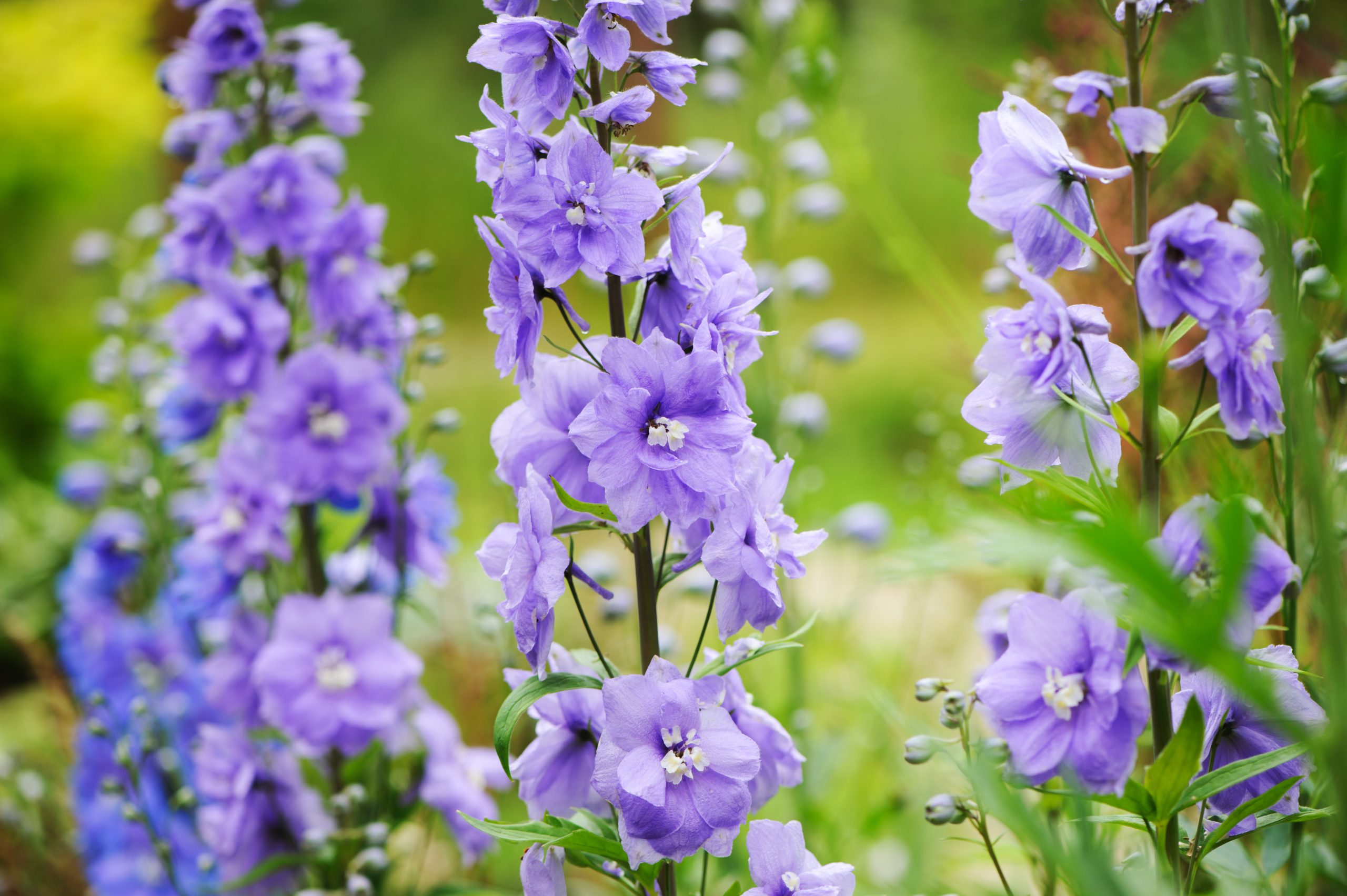
Deadhead flowers to prolong perennial plants and summer bedding for as long as possible. Doing so will encourage flowers to keep blooming and prevent them going into seed.
Keep hanging baskets, pots and containers watered and fed as the summer weather will quickly decrease nutrients in the soil.
Wisteria can now be pruned for summer by cutting side-shoots down to 4-5 leaves from the main stem.
Vegetables
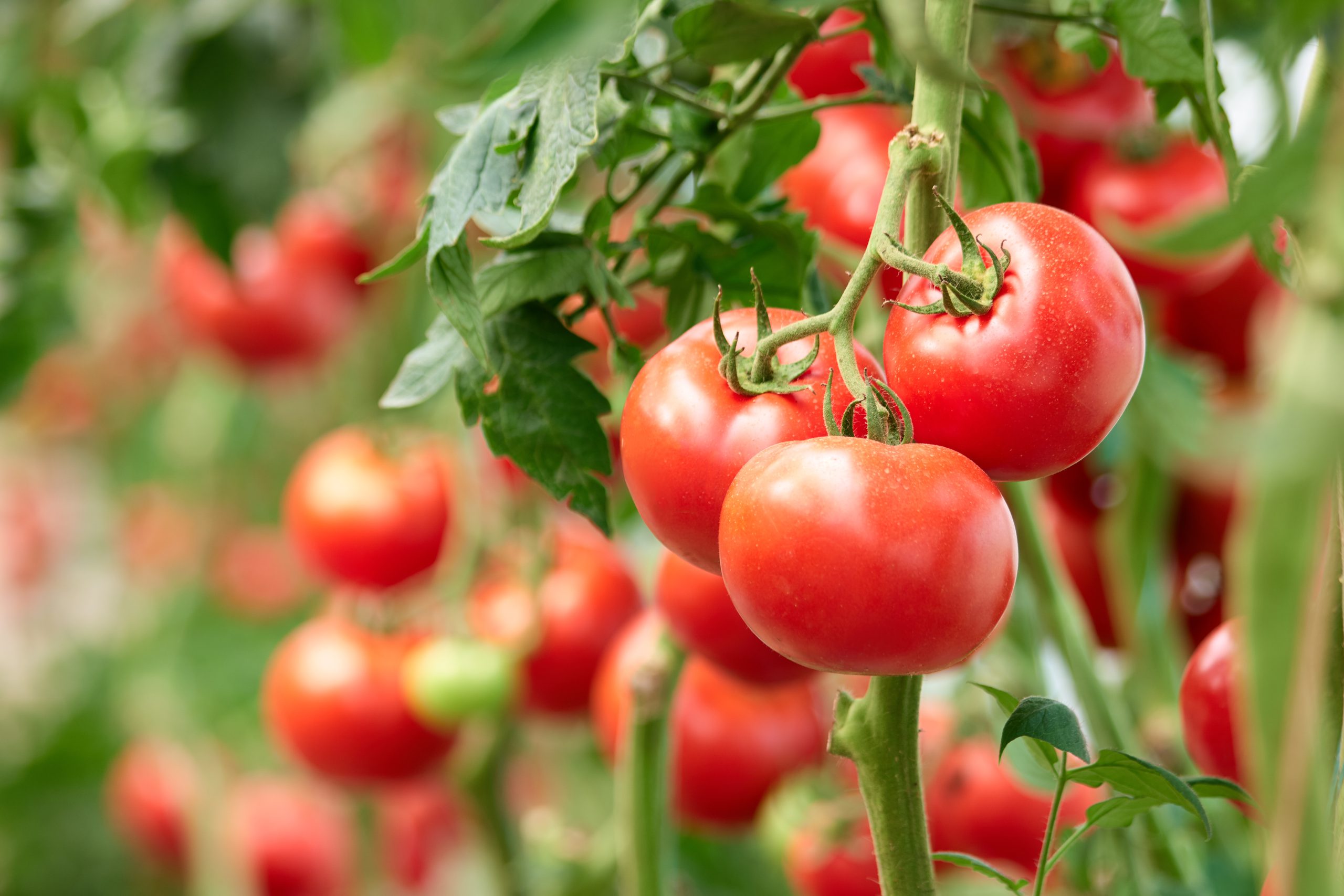
Tomatoes – Trim tomato shoots each week (once the plant has reached around 5 trusses) and cut off those beneath the lowest ripened fruit to stop competition. Feed regularly and continue to pinch out side shoots. Removing leaves beneath the first truss of tomatoes will aid in air circulation and prevent the build-up pets and diseases.
Potatoes – Second Earlies should be ready for harvest (if you’re not sure, wait until they have flowered and check). If they’re ready, pull them up on a sunny day and place the freshly dug potatoes out on the surface to dry for a few hours. Once dry, store your new potatoes in a hessian sack and keep them somewhere cool, dry and dark.
Harvest – Peas, carrots, beetroot, tomatoes, potatoes, salads should all ripen and be picked at this time.
Greenhouse
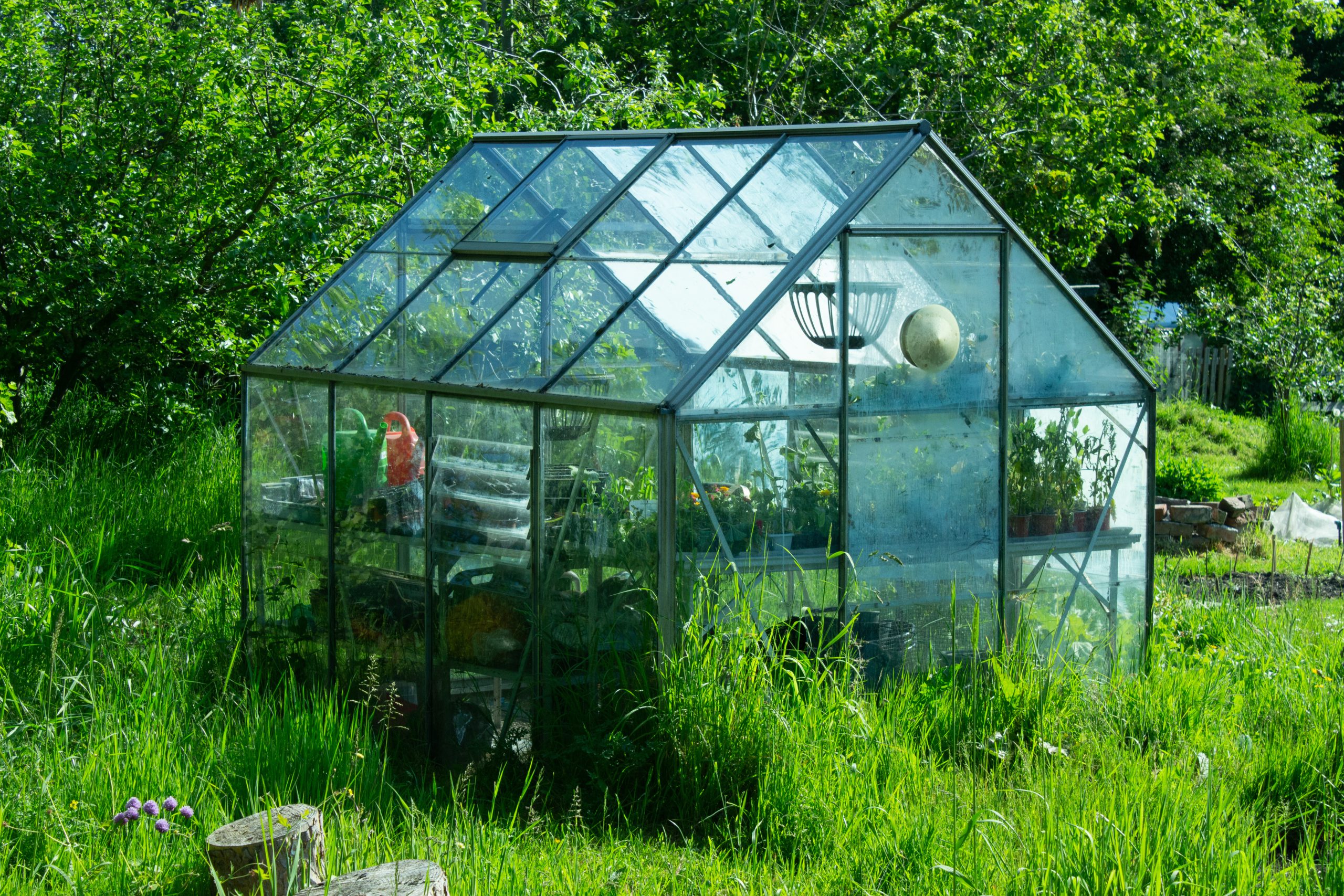
When temperatures at at their peak, prevent scorching by placing shading on the roof. Keep vents and doors open to keep a steady airflow.
Water either first thing in the morning or late evening to reduce evaporation and water loss.
Dampen down the greenhouse on particularly hot days to deter red mites and create humidity.
Keep fallen leaves and petals swept and tidied to decrease any chance of disease spread.
Fruit
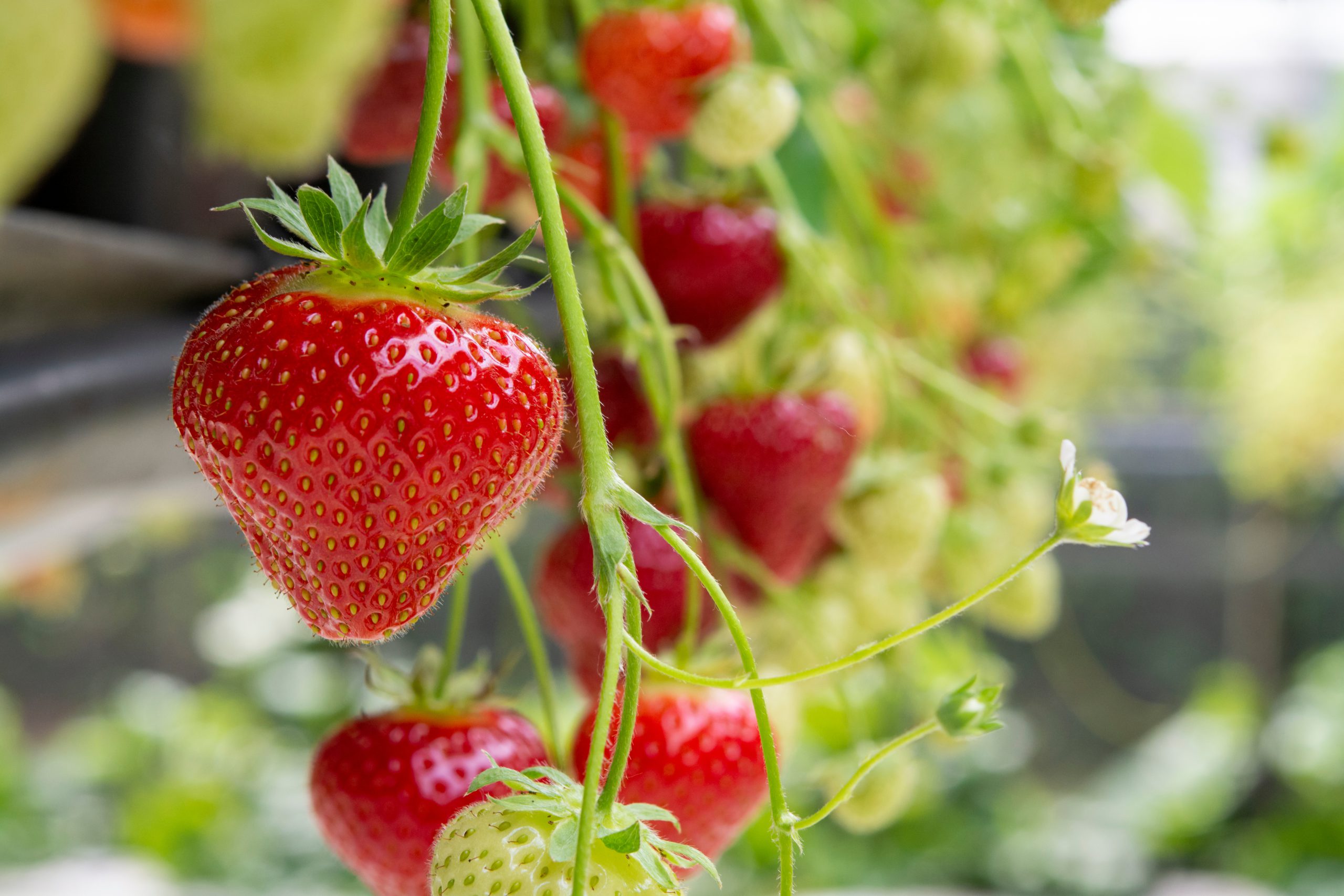
Pin Strawberry plant runners to the soil and allow them to root. When they’re established, cut the runner from the main plant. You can also maximise your crop by removing runners to divert energy to fruit already present.
Harvest apricots, peaches and nectarines.
Trained apple and pear trees can also be pruned for summer.
Lawn Care
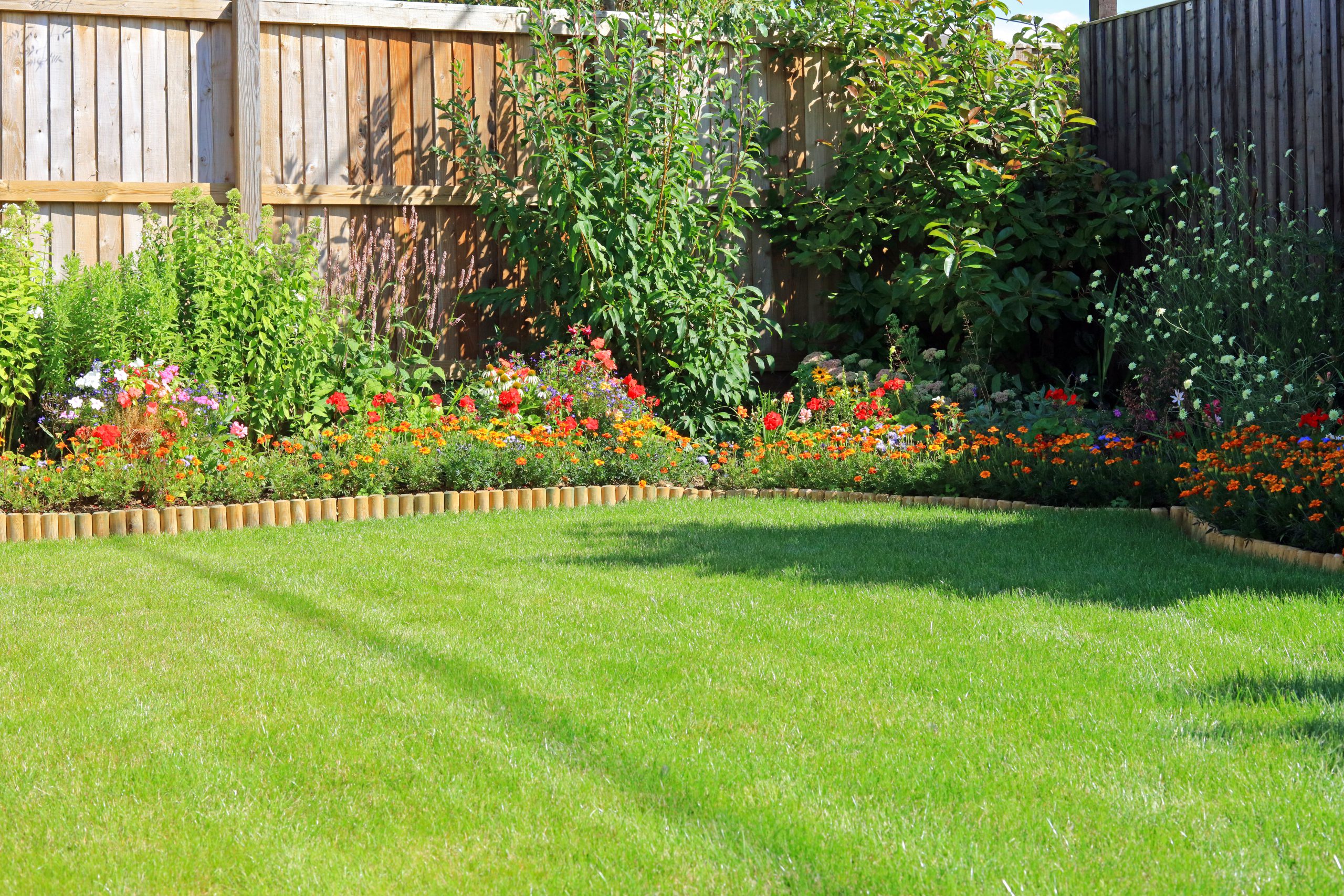
Mows lawn lightly and frequently. It is best to raise your mower blades whilst the weather is hot to prevent stress to the grass.
Remove any unwanted weeds with a weeding knife, trowel or grubbing tool but do keep in mind the wildflowers and flowering weeds benefit wildlife and add colour to your garden.
Water only if absolutely necessary. Grass can cope well with drought even if it dies, it will return and recover once rain falls. Watering is only needed if your lawn is new.
Pests & Diseases
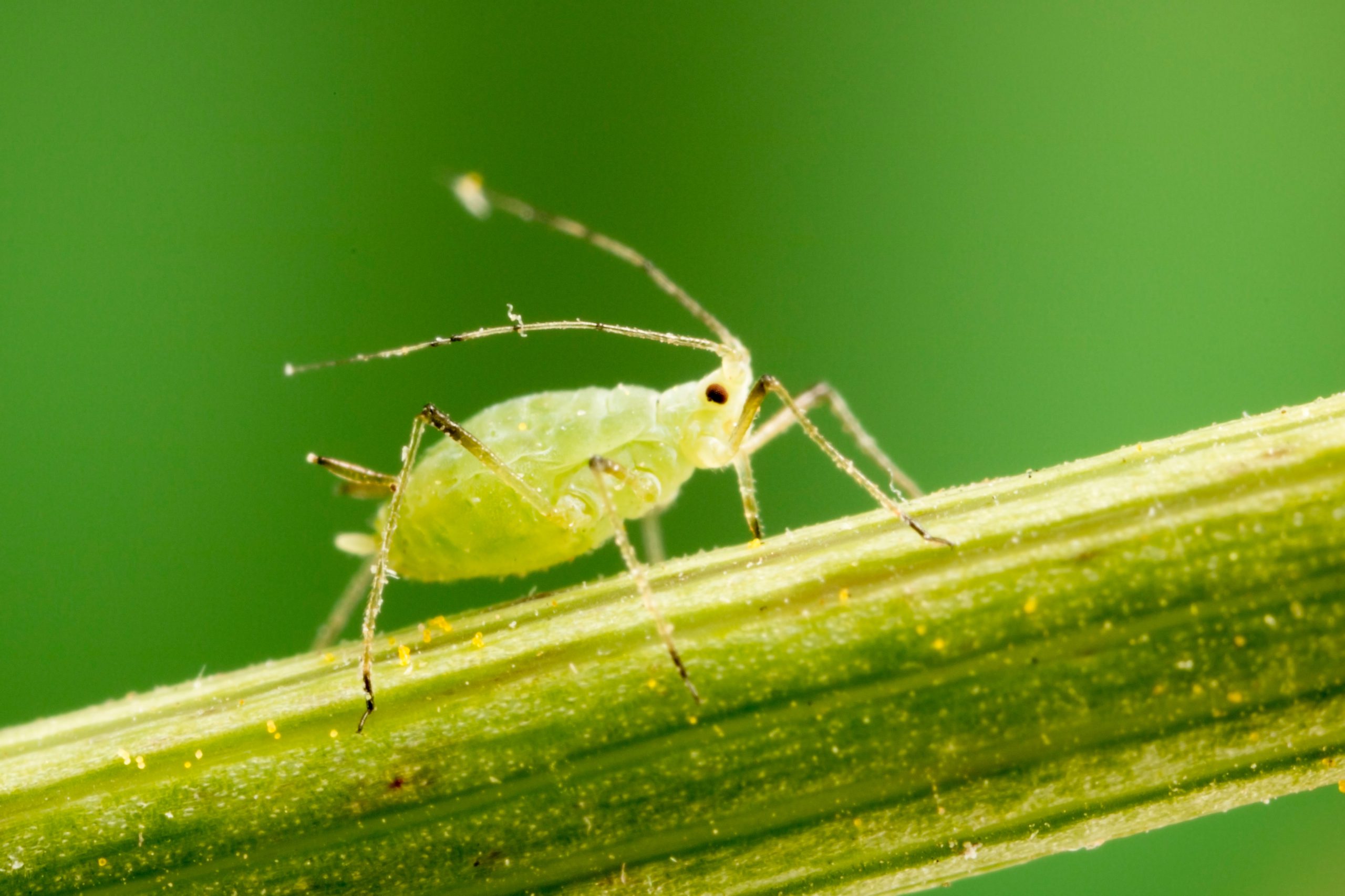
Check squashes, courgettes and pumpkins regularly for signs of powdery mildew. If any is present, remove the infected leaves and dispose of off-site to prevent disease spread.
Hose off any pests like aphids, greenfly, slugs and snails. A good way to deter these pest is spraying garlic water around your plants (garlic is a great pest deterrent).
Remove any yellowing or fallen leaves as these can harbour hidden pests and disease.
Sustainability Roadmap

Our Sustainability Roadmap
| Focus Area | EXISTING SUSTAINABLE MEASURES | PLANNED MEASURES | FUTURE MEASURES UNDER CONSIDERATION |
| ENERGY – Electricity |
– LED lighting fitted in all areas -Solar panels fitted |
– Reducing electricity usage | – Voltage optimiser to store |
| – Diesel | – Electric Car – Electric charging points for staff and company vehicles installed |
– Research cycle to work scheme | – Electric vans |
| – Gas | – Consider new ways of heating new developments | – Replace forklifts to electric | |
| WATER | – Capillary matting started – Use water butts for plants at front of building – Careful management/efficiency of irrigation system – Educate and assist customers in reducing their water consumption – Permeable carpark |
– Water saving devices in bathrooms – Increase usage of capillary matting – Catching excess water from irrigation |
– Rainwater harvesting/UV treating |
| WASTE – Metal |
– Fully recycled | ||
| – Wood | – Fully recycled or reusable | ||
| – Paper/ Cardboard |
– Fully recycled | ||
| – Plastics | – Fully recycled – Refillable water bottle service in restaurant/re-usable travel mug incentive |
||
| – Food | – Fully recycled | ||
| – Electrics | – Fully recycled | ||
| – General waste | – Hand sorted – Zero waste to landfill – Incinerated to produce power |
– Minimise all waste | |
| – Plants | – Used in own grounds, given to staff | – Composting on site | |
| – Oil | – Recycled – oil is sent to a refinery where it is repurposed for use in generators | ||
| – Cooking oil | – Biodiesel | ||
| SUSTAINABLE PRODUCTS – Peat |
– Reduced peat-free range: 50% peat-free, 25% reduced peat | – 100% peat-free by 2024 | |
| – Organic | – Comprehensive range of organic substitute products | – Continue increasing the range | |
| – Fairtrade | – Range of Fair-trade products | – Continue increasing the range | |
| – Local | – Comprehensive range of local products, always prioritised over non-local | – Continue increasing the range | |
| – General | – Source products which are recycled/recyclable – especially packaging – Large vegan menu/products offered – Takeaway packaging compostable/recyclable |
||
| GENERAL – Carbon |
– Measure and improve our carbon footprint with net zero targets | ||
| – Team | – Sustainability Action Group set-up within team | – Look at volunteering options | |
| – Community | – Keep strong links working with community projects | ||
| – Biodiversity | – Upkeep and encourage use of our woodland nature walk – Educate customers about wildlife friendly gardening – Own bug hotels, wild flowers, etc. in own grounds – All cleaning chemicals use biotechnology where no harmful chemicals are used – We will phase out all products containing glyphosate by the end of 2023 |